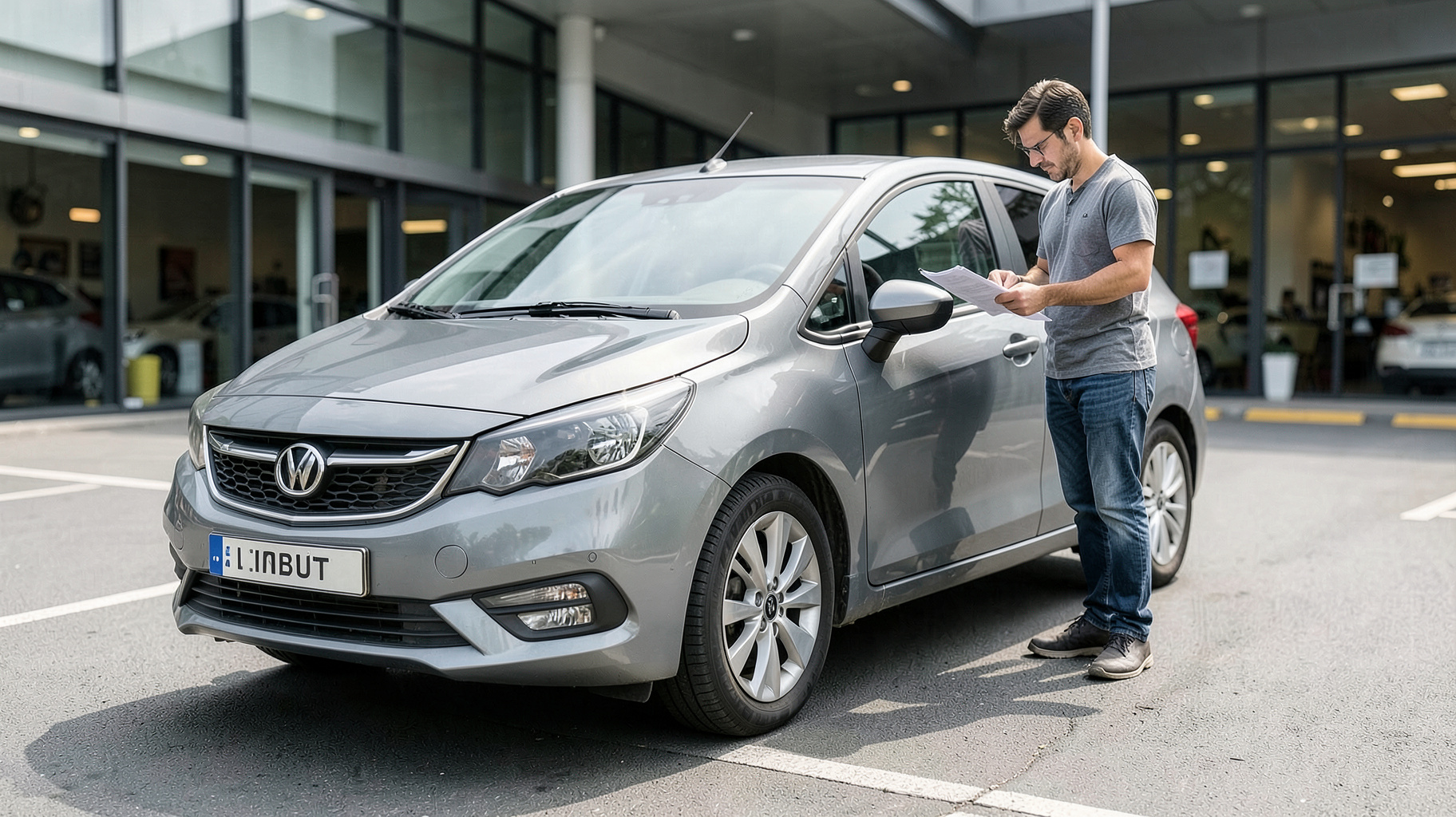

Car Auto Insurance Quote: How to Compare Coverage, Rates and Insurers
Getting a car auto insurance quote is easy. Getting a quote that’s actually useful takes a little more effort.
Most major insurers can give you an estimate online, over the phone or through an agent. Enter information about yourself and your vehicle, choose some coverage options and you’ll usually get a price.
The problem starts when you try to compare that price with another company’s quote.
One insurer might use a $500 collision deductible while another defaults to $1,500. One quote might carry higher liability limits. Another might leave out rental reimbursement or other optional coverage.
Suddenly, the cheapest quote isn’t necessarily the cheapest version of the same policy. It’s simply a different policy.
If you want to know which insurer is really offering better value, start with the coverage and work backward to the price.
What Is a Car Insurance Quote?
A car insurance quote is an estimate of what an insurer may charge to provide a particular amount of automobile insurance.
The company calculates the quote using information about you, your vehicle, the coverage you’ve selected and other factors it’s legally permitted to consider.
A quote isn’t necessarily your final premium.
The insurer may need to verify information before issuing the policy, and the price can change if the verified information differs from what was entered during the quoting process.
That makes accuracy important.
The objective isn’t to generate the smallest number possible. It’s to get a realistic estimate of what you’d actually pay.
What You Need to Get an Insurance Quote for a Car
If you want to get an insurance quote car owners can meaningfully compare, gather your information before you begin.
You’ll commonly need details such as:
- Driver’s license information
- Home address
- Vehicle year, make and model
- Vehicle identification number
- Estimated annual mileage
- Driving history
- Current insurance information
- Information about additional drivers
- Desired coverage limits
- Preferred deductibles
The exact information required varies between insurers.
Having everything ready makes it easier to request several quotes without accidentally entering different information each time.
Why Car Insurance Quotes Can Be So Different
It’s perfectly normal to receive different prices from different insurance companies.
Insurers have their own rating and underwriting methods, subject to applicable insurance laws.
Depending on where you live and the insurer involved, factors that can influence a premium may include your driving history, vehicle, location, mileage, coverage choices and other legally permitted information.
Companies don’t necessarily evaluate those factors identically.
That’s why your friend can recommend a “cheap” insurance company and you can request a quote from the same insurer only to discover that it’s expensive for you.
There isn’t one company that’s automatically cheapest for everyone.
Start With the Coverage You Want
Before collecting insurance quotes for car insurance, decide what you want the insurers to price.
This makes the comparison much cleaner.
Start with liability coverage.
Then decide whether you need physical-damage protection for your own vehicle and any additional coverage that matters to you.
Depending on your circumstances and what’s available, that might include:
- Collision
- Comprehensive
- Uninsured motorist coverage
- Underinsured motorist coverage
- Medical-related coverage
- Rental reimbursement
- Roadside assistance
Requirements vary by state, and some types of coverage may be required while others are optional.
Check the rules that apply where the vehicle is registered rather than assuming the requirements are the same everywhere.
Liability Insurance Is More Than a Legal Requirement
Liability insurance generally helps address eligible injuries or property damage when you’re legally responsible for an accident, subject to policy limits and applicable law.
Most people understandably want to know the minimum amount they’re required to buy.
That’s useful information, but it doesn’t necessarily answer how much they should buy.
State minimum requirements establish a legal baseline.
Your own financial exposure can be considerably larger.
If you’re comparing policies, look at the liability limits rather than simply checking that each quote includes “liability.”
Two policies can both contain liability coverage while providing very different levels of protection.
Collision Coverage Protects Your Vehicle Differently
Collision insurance generally helps pay for eligible damage to your insured vehicle caused by a collision, subject to the policy and deductible.
It’s separate from liability coverage.
If you finance or lease your vehicle, your lender or leasing company may require certain physical-damage coverage.
If you own the car outright, you may have more freedom to decide.
That doesn’t mean collision is automatically unnecessary.
Ask yourself how difficult it would be to repair or replace the vehicle after a serious accident.
The answer can tell you more than the car’s age alone.
Comprehensive Coverage
Comprehensive insurance generally covers specified non-collision losses.
Depending on the policy, that can include things such as:
- Theft
- Vandalism
- Fire
- Falling objects
- Certain weather-related damage
- Animal-related losses
A deductible usually applies.
Comprehensive and collision are often discussed together, but they aren’t interchangeable.
Read the policy rather than assuming one includes the other.
The Deductible Can Make a Cheap Quote Look Even Cheaper
Here’s a simple hypothetical comparison:
| Quote | Annual Premium | Collision Deductible |
|---|---|---|
| Company A | $1,150 | $2,000 |
| Company B | $1,320 | $500 |
| Company C | $1,390 | $500 |
Company A wins if you look only at the premium.
But you’re also agreeing to a much higher collision deductible.
Perhaps Company A has lower liability limits too.
Once those differences are considered, the comparison changes.
When you quote a car insurance policy, pay attention to the settings used to produce the price.
A low premium is meaningful only when you understand what you’re receiving in exchange.
Quote for Car Insurance: Compare Like With Like
When getting a quote for car insurance, choose a standard set of limits and deductibles.
Use those selections with every insurer where possible.
A basic comparison table can help:
| What to Compare | Insurer A | Insurer B | Insurer C |
|---|---|---|---|
| Total premium | — | — | — |
| Policy term | — | — | — |
| Liability limits | — | — | — |
| Collision | — | — | — |
| Collision deductible | — | — | — |
| Comprehensive | — | — | — |
| Comprehensive deductible | — | — | — |
| Uninsured motorist | — | — | — |
| Rental coverage | — | — | — |
| Roadside assistance | — | — | — |
| Discounts | — | — | — |
You don’t need a complicated spreadsheet.
You just need enough information to know whether you’re comparing the same thing.
Insurance Auto Insurance Quote: Online or Through an Agent?
Drivers searching for an insurance auto insurance quote generally have several ways to get one.
Online quotes are convenient.
You can enter your information directly, change coverage and see how different selections affect the estimate.
An insurance agent can be useful when you have questions or circumstances that aren’t easy to represent on an online form.
Independent insurance professionals may also have access to multiple insurers, depending on the companies they represent.
There’s no reason you have to choose only one method.
You can use online quotes to establish a baseline and speak with an insurance professional when you need more help understanding the options.
Don’t Compare Monthly Payments Alone
The monthly payment is usually the first number people notice.
It’s also an easy way to make a misleading comparison.
Suppose Company A asks for $110 per month and Company B asks for $120.
You can’t automatically conclude Company A costs less.
Look at:
- Total premium
- Policy length
- Initial payment
- Installment arrangement
- Applicable fees
- Coverage limits
- Deductibles
One company may present a six-month policy while another displays an annual figure.
Put the prices on equivalent terms before choosing.
Quote of Car Insurance vs. Final Premium
The quote of car insurance you receive shouldn’t always be treated as a guaranteed final price.
A quote is generally based on information available at that point in the process.
The insurer may verify information before issuing the policy.
If something material changes, the premium can change.
Maybe annual mileage was entered incorrectly.
Perhaps a driver was missing.
Maybe the vehicle trim was wrong.
Review your information before purchasing so you aren’t surprised by a revised price.
Your Vehicle Can Change the Quote More Than You Expect
Insurance should be part of the research you do before buying a car.
Suppose you’re choosing between two vehicles that both cost around $30,000.
It’s easy to assume they’ll cost roughly the same to insure.
They may not.
Request a car auto insurance quote for each vehicle using similar coverage.
Then add insurance to the rest of the ownership costs:
- Vehicle payment
- Fuel
- Maintenance
- Repairs
- Registration
- Taxes and applicable fees
- Depreciation
A vehicle with a lower purchase price can still be more expensive to own.
New Cars and Insurance
Newer vehicles often make collision and comprehensive coverage particularly relevant because the financial loss associated with severe damage can be substantial.
Financing and lease agreements may also require specific coverage.
Before driving away from the dealership, make sure you understand both the insurer’s requirements and any requirements imposed by the lender or leasing company.
Don’t assume the dealership’s finance payment represents your entire monthly vehicle budget.
Get an insurance estimate before committing to the car.
Older Cars Require a Different Calculation
With an older vehicle, you may eventually question whether collision and comprehensive coverage are still worth their cost.
There’s no universal age when you should remove them.
Instead, look at:
- Current vehicle value
- Cost of the coverage
- Deductible
- Your savings
- Whether you could replace the car yourself
An older car can still be essential.
If losing it would leave you unable to get to work and unable to afford a replacement, physical-damage coverage may remain valuable.
Your Driving History Matters
Driving history can influence your insurance premium, subject to the rules that apply in your state.
That’s one reason comparing your premium with a friend’s can be misleading.
You might own similar cars and live only a few streets apart while receiving very different quotes.
Use accurate driving information when requesting insurance.
An unrealistically cheap estimate based on incomplete information isn’t useful if the premium changes during verification.
Your Location Can Affect the Price
Where the vehicle is kept can also influence insurance pricing where permitted.
Claims patterns, traffic conditions and other location-related risk can differ considerably from one area to another.
This is why national or statewide average premiums should be treated as general context.
They don’t tell you what you’ll pay.
Your own personalized insurance quotes for car insurance are much more relevant.
Discounts Can Save Money, but Don’t Get Distracted by Percentages
Insurance companies advertise plenty of discounts.
Depending on the company and your eligibility, savings might be associated with:
- Multiple vehicles
- Bundling eligible policies
- Qualifying driving programs
- Payment arrangements
- Vehicle features
- Other insurer-specific programs
Ask about every discount you legitimately qualify for.
Then compare the final premiums.
A company advertising a 25% discount can still cost more than a company offering a smaller discount.
The percentage is marketing.
The final premium is what comes out of your pocket.
Bundling Isn’t Automatically Cheaper
Bundling auto insurance with homeowners, renters or another eligible insurance product can sometimes reduce your overall cost.
It’s worth getting a quote.
But compare it with the alternative.
Company A may offer an impressive bundle discount while Company B offers such a competitive auto premium that buying the policies separately costs less overall.
Do the math using actual premiums rather than assuming the word “bundle” means cheapest.
How to Lower Your Quote Without Immediately Cutting Coverage
If your quote is too expensive, don’t start by removing protection.
Start by checking other insurers.
This is an important distinction.
Finding another company willing to provide comparable coverage for $300 less per year is a genuine saving.
Reducing your liability limits, increasing your deductible dramatically and removing optional coverage until the premium falls by $300 is a different kind of saving. You’re paying less because you’re accepting more risk.
Shop around first.
Then review discounts.
After that, consider reasonable deductible changes.
Finally, review optional coverage and decide whether it still makes sense for your circumstances.
Quote for Insurance Car: Be Careful With Extremely Low Prices
If you’re searching quote for insurance car and one estimate comes back dramatically lower than everything else, don’t immediately assume you’ve hit the jackpot.
Investigate.
Check the liability limits.
Check the deductibles.
See whether collision and comprehensive are included.
Look at uninsured or underinsured motorist coverage where applicable.
Check optional benefits.
If the policies really are comparable and the insurer is simply cheaper, that’s excellent.
That’s exactly what comparison shopping is supposed to find.
Quote on Insurance Car: Research the Insurer Too
A quote on insurance car coverage tells you the price.
It doesn’t tell you everything about the company.
Once you’ve narrowed your choices to a few competitive insurers, spend some time researching them.
Consider:
- Customer-service options
- Claims process
- Digital tools
- Policy-management options
- Financial strength
- Consumer information from insurance regulators
You don’t need the company with the fanciest app.
You do want an insurer you’re comfortable relying on when something goes wrong.
“Full Coverage” Doesn’t Tell You Enough
“Full coverage” is one of the most common phrases in auto insurance.
It isn’t one standardized policy.
People often use the phrase for insurance combining liability with collision and comprehensive coverage.
But that leaves plenty of unanswered questions.
A policy could have $500 deductibles or $2,000 deductibles.
Liability limits can differ.
Optional protection can differ.
When comparing car insurance car insurance quotes, look at the actual policy details rather than assuming two “full coverage” quotes are equivalent.
How Many Quotes Should You Get?
There’s no magic number.
One quote isn’t much of a comparison.
Two are better.
Several can give you a more useful picture of how insurers price your situation.
At some point, requesting another quote has diminishing returns, so you don’t need to contact every insurance company in existence.
The goal is to see enough options to know whether the price you’re considering is competitive.
When Should You Shop Again?
Getting insurance isn’t necessarily a one-time comparison.
Your situation changes.
Insurance companies’ pricing can change too.
It may make sense to request new quotes when:
- Buying another vehicle
- Moving
- Adding a driver
- Removing a driver
- Changing vehicles
- Adjusting coverage
- Receiving a substantial renewal increase
You can also compare periodically without any major change.
If your current insurer still provides good value, there’s no need to switch simply for the sake of switching.
Don’t Cancel Your Old Policy Before the New One Starts
Suppose you find a much better quote for car insurance and decide to switch.
Make sure the replacement policy is actually in place before canceling the existing one.
Confirm the effective date.
Review the coverage.
Make sure the insurer has accepted the policy as appropriate.
Then handle cancellation of your previous insurance according to the company’s procedures.
Saving money isn’t worth accidentally creating a lapse in coverage.
A Better Way to Get a Car Auto Insurance Quote
The easiest way to get useful quotes is to make the process consistent.
Decide on your coverage first.
Choose liability limits you’re comfortable with. Decide whether you want collision and comprehensive coverage. Pick deductibles you could realistically pay. Add optional protection that’s important to you.
Then request several quotes using those choices.
If one insurer comes back cheaper, find out why.
Sometimes you’ve found a company that simply offers you a better price.
Other times, the lower premium comes from a higher deductible or less coverage.
Once you understand the difference, the decision becomes much easier.
Whether you search get an insurance quote car, quote a car insurance, quote for insurance car, quote of car insurance, or insurance quotes for car insurance, you’re ultimately trying to answer the same question: how much will it cost to insure this vehicle with the protection I actually want?
That’s the number worth comparing.
A car auto insurance quote becomes genuinely useful when the price, coverage and deductibles are all clear. Don’t chase the smallest number until you know what sits behind it.
This article is for general informational purposes only and does not constitute insurance, financial or legal advice. Auto insurance laws, minimum requirements, coverage options and insurer pricing vary by jurisdiction and can change. Verify current requirements and individual policy details with the appropriate authorities, your insurer or an appropriately licensed insurance professional before purchasing or modifying coverage.