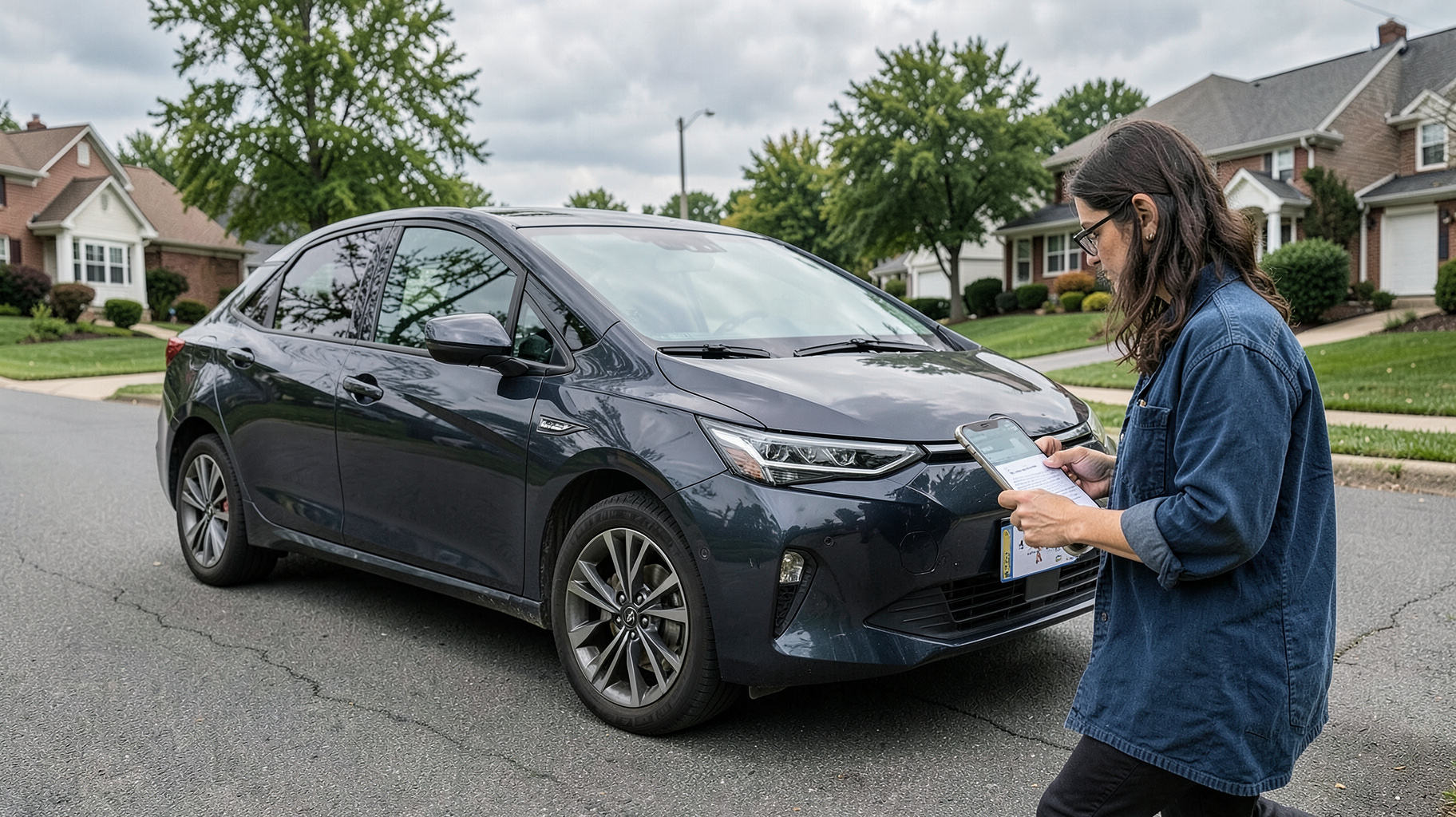

Auto Insurance Quote Connecticut: How to Find the Right Coverage at a Better Price
Shopping for car insurance can feel surprisingly complicated. Two Connecticut drivers with similar vehicles can receive very different prices, and even the same driver may get dramatically different offers from one insurance company to another.
That is why getting more than one auto insurance quote in Connecticut is worth the effort. Instead of automatically renewing your existing policy or accepting the first price you see, comparing quotes gives you a better idea of what insurers are willing to offer for your particular situation.
Price matters, but it shouldn’t be the only consideration. The goal is to find coverage that protects you properly without paying for things you don’t need.
What Goes Into an Auto Insurance Quote in Connecticut?
An insurance quote is an estimate of what an insurer may charge to cover you and your vehicle. When you request an auto insurance quote in CT, the company uses information about you, your vehicle and the coverage you select to calculate a potential premium.
Although insurers don’t all calculate risk in exactly the same way, they commonly consider factors such as:
- Your driving record
- Your age and driving experience
- The vehicle you drive
- Where the vehicle is kept
- Your annual mileage
- Previous insurance and claims history
- The coverage limits you select
- Your deductible
- Discounts for which you qualify
This is one reason Connecticut auto insurance quotes can vary so much. Each insurer has its own underwriting rules and pricing model. A driver who looks relatively expensive to insure with one company may receive a much more competitive rate somewhere else.
Connecticut Car Insurance Requirements
Before comparing auto insurance quotes in Connecticut, it helps to understand the difference between meeting the state’s insurance requirements and having enough coverage to protect yourself financially.
Connecticut requires registered vehicle owners to maintain automobile liability insurance that meets applicable state requirements. Liability coverage generally helps pay for injuries or property damage you cause to someone else in an accident, subject to the policy’s limits and terms.
State-required minimum coverage should be viewed as a starting point rather than an automatic recommendation for every driver.
An accident involving significant injuries, multiple vehicles or expensive property damage can result in costs well beyond a relatively low liability limit. Drivers with savings, property or other assets may want to consider higher liability limits.
Insurance requirements and regulations can also change. Before purchasing a policy, verify the current requirements with the Connecticut Department of Motor Vehicles or your insurer.
Why Connecticut Auto Insurance Quotes Can Be So Different
You might request three CT auto insurance quotes and wonder why the prices aren’t even close.
That’s normal.
Insurance companies don’t simply look at your vehicle and assign it a standard price. They estimate how likely you are to make a claim and how expensive that claim could be.
One insurer may place more weight on a particular rating factor than another. Companies also have different claims experience, operating costs, discount programs and target customer profiles.
For consumers, that competition can be useful.
If your current insurer raises your premium significantly at renewal, it doesn’t necessarily mean every insurer will charge a similar amount. Getting fresh quotes can show you whether the increase reflects the wider market or simply your current company’s pricing.
How to Compare Car Insurance CT Quotes Properly
The biggest mistake when comparing car insurance CT quotes is looking only at the total premium.
A $900 policy isn’t necessarily a better deal than a $1,050 policy if the cheaper option has substantially lower limits, a much higher deductible or fewer useful protections.
Try to make an apples-to-apples comparison.
Use approximately the same liability limits, deductibles and optional coverages when requesting each quote. Then compare the premiums.
Pay particular attention to:
Liability limits. Check how much protection the policy provides if you’re legally responsible for an accident.
Collision coverage. This generally covers damage to your own vehicle resulting from a covered collision, subject to your deductible and policy terms.
Comprehensive coverage. This generally protects against covered non-collision losses such as theft, vandalism, falling objects and certain weather-related damage.
Uninsured and underinsured motorist coverage. This can provide important protection when you’re involved in an accident with a driver who doesn’t have sufficient insurance.
Deductibles. A higher deductible can reduce your premium, but it also means accepting more out-of-pocket expense when a covered claim occurs.
Once the coverage is comparable, the price differences become much more meaningful.
Information to Have Ready Before Requesting a Quote
Getting a CT auto insurance quote is easier when you have the necessary information available before you start.
You will generally need basic information about each driver who will be covered, including driver’s license details and driving history. You’ll also need information about each vehicle, such as its year, make, model and vehicle identification number.
Insurers may ask how the vehicle is used, approximately how many miles you drive each year and where the vehicle is normally kept.
If you already have insurance, keep your current declarations page nearby. It shows your existing limits and deductibles and makes it much easier to request comparable coverage from another company.
Accurate information matters. A quote based on incorrect mileage, drivers or vehicle use may change once the insurer verifies the application.
Should You Choose Minimum Coverage?
The lowest-priced auto insurance quote Connecticut drivers find is often based on relatively limited coverage.
That doesn’t necessarily make it the best option.
For someone driving an inexpensive older vehicle, dropping optional physical-damage coverage may sometimes make financial sense. Paying a substantial annual premium to insure a car with very little market value isn’t always economical.
Liability coverage deserves more careful consideration.
The financial consequences of causing a serious accident can be much larger than the value of your own vehicle. Choosing higher liability limits may increase the premium, but the difference can sometimes be relatively modest compared with the additional protection.
When comparing auto insurance quotes CT drivers should look at several coverage levels rather than requesting only the cheapest configuration.
What About Collision and Comprehensive Coverage?
Whether you need collision and comprehensive coverage often depends on the vehicle and your financial situation.
If your vehicle is financed or leased, your lender or leasing company may require physical-damage coverage.
If you own the vehicle outright, you have more flexibility.
Consider what would happen if the car were stolen or totaled tomorrow. If replacing it yourself would create a serious financial problem, keeping collision and comprehensive coverage may be worthwhile.
On the other hand, owners of low-value vehicles may eventually reach a point where the additional premium no longer makes sense relative to the amount the insurer might pay after a total loss.
There isn’t one correct answer for every Connecticut driver.
Your Deductible Can Make a Noticeable Difference
When requesting an auto insurance quote in Connecticut, try several deductible options.
Moving from a lower deductible to a higher one can reduce the cost of collision or comprehensive coverage. The tradeoff is straightforward: you save money on premiums but take responsibility for a larger portion of a covered loss.
The best deductible is one you could comfortably pay without creating a financial emergency.
Choosing an extremely high deductible simply to get a lower advertised premium can backfire when you actually need to file a claim.
Discounts Are Worth Checking
Insurance discounts aren’t always automatically identical from company to company.
When reviewing Connecticut auto insurance quotes, ask which discounts have been applied and whether additional ones are available.
Depending on the insurer and your circumstances, potential savings may be available for bundling auto and homeowners or renters insurance, insuring multiple vehicles, maintaining certain driving records, paying a policy in full or using approved telematics or usage-based insurance programs.
Some insurers also offer discounts tied to vehicle safety equipment or other eligibility requirements.
Don’t assume that the insurer advertising the largest discount will ultimately be the cheapest. A 20% discount on an expensive base rate can still cost more than a smaller discount from a company that started with a lower rate.
Compare the final premium and coverage rather than the discount percentage.
Be Careful With Telematics Programs
Usage-based insurance has become another way for drivers to potentially reduce their premiums.
These programs may use a mobile app or a device in the vehicle to collect driving-related information. Depending on the program, factors could include mileage, braking, acceleration, time of day or other driving behaviors.
Safe or low-mileage drivers may find these programs attractive.
Before enrolling, however, understand what information is collected, how long the monitoring lasts and whether driving results can affect your premium in either direction. Program rules vary by insurer.
When Should You Shop for New Quotes?
You don’t have to wait until you’re unhappy with your insurance company.
Shopping around periodically can help determine whether your current premium is still competitive. It can be particularly worthwhile when:
Your renewal premium increases substantially, you purchase another vehicle, you move, a driver is added or removed from your household, or there has been a meaningful change in your driving or insurance history.
Even drivers who have stayed with the same insurer for years can benefit from occasionally checking auto insurance quotes in Connecticut.
Loyalty can be convenient, but convenience and competitive pricing aren’t always the same thing.
Online Quote or Insurance Agent?
There are advantages to both.
Online quoting can be convenient when your insurance needs are relatively straightforward. You can often request several quotes in a short period and experiment with different deductibles or coverage limits.
An insurance agent can be useful when your circumstances are more complicated or when you want help understanding coverage differences.
Independent agents may be able to obtain quotes from multiple insurers, while captive agents generally represent a particular insurance company or group of affiliated companies.
Whichever approach you choose, ask questions when something isn’t clear. Insurance policies contain exclusions, definitions and conditions that aren’t always obvious from the price shown on a quote screen.
Don’t Cancel Your Existing Policy Too Early
Finding a better auto insurance quote in CT can be exciting, particularly if the savings are substantial.
But don’t immediately cancel your current insurance.
Make sure the new policy has actually been issued and confirm its effective date first. Ideally, the new coverage should begin before or at the same time the previous policy ends so that you don’t accidentally create a lapse.
Even a short lapse can cause practical and financial problems.
If you’re switching companies, keep documentation showing when the old policy ended and when the new policy began.
How to Find a Better Auto Insurance Quote in Connecticut
There isn’t a single insurance company that will automatically be cheapest for every Connecticut driver.
A better approach is to compare several insurers using the same basic coverage selections. Start with the liability limits you actually want, choose realistic deductibles, and then add or remove optional coverage based on the value of your vehicle and your ability to absorb a loss.
Look beyond the headline premium as well. Consider the insurer’s claims service, policy terms, available discounts and financial stability.
If one auto insurance quote in Connecticut is dramatically cheaper than every other offer, inspect the details carefully. The difference may be a genuinely competitive rate, but it could also come from lower limits, different deductibles or missing coverage.
Getting Quotes Without Overcomplicating It
You don’t need to turn insurance shopping into a week-long project.
Gather your current policy, driver’s license information and vehicle details. Decide which coverage limits you want to compare. Then request several CT auto insurance quotes using the same information.
Put the results side by side.
You’ll quickly see which insurers are competitive and which aren’t.
Once you’ve narrowed the choices, look more closely at the policy details and company before making a decision.
The cheapest premium can certainly be attractive, but the purpose of insurance is protection when something goes wrong. A good policy balances both sides of that equation: a price you can reasonably afford and enough coverage to protect you from losses you couldn’t comfortably handle yourself.