
Two drivers in the same Texas zip code can get quotes hundreds of dollars apart for nearly identical coverage. You'll come away knowing what the state requires, which factors move your price, and how to line up quotes so
Texas Minimum Liability Requirements and Coverage Options
Texas requires every driver to carry liability insurance at 30/60/25. That breaks down to:
- $30,000 for bodily injury to one person in an accident you cause
- $60,000 for bodily injury to everyone hurt in that accident
- $25,000 for property damage, meaning the other driver's car, fence, or storefront
Liability pays for the other party's losses. It doesn't pay for yours.
What happens if you skip it
A first offense carries a fine of $175 to $350. A second runs $350 to $1,000. Your car can also be impounded, and you may be required to file an SR-22, which is a certificate of financial responsibility that typically keeps your premiums high for about two years. Texas checks coverage electronically through the TexasSure database, so a lapse gets noticed.
Why the minimum is a thin floor
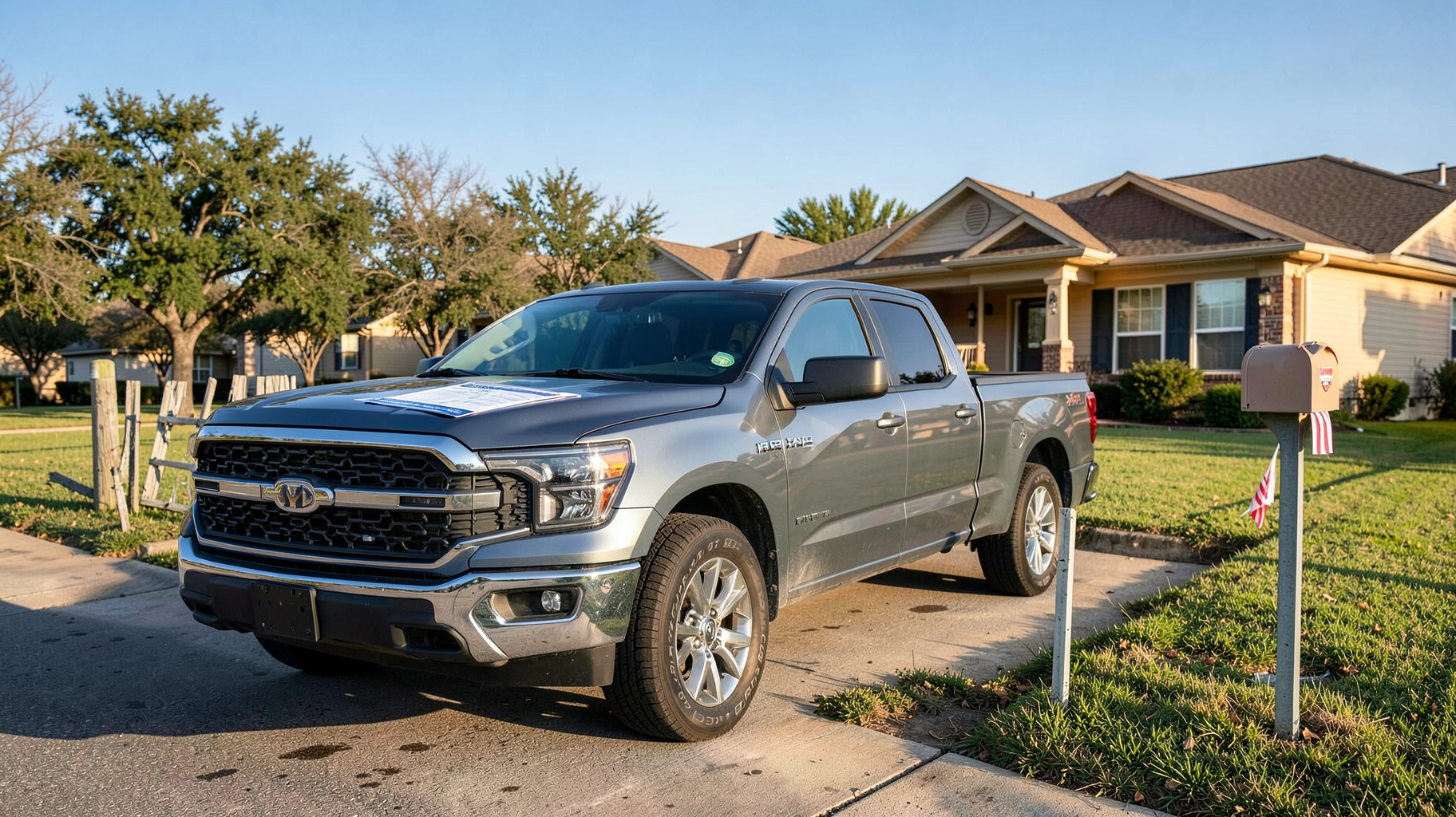
Think about a modern pickup. Average new vehicles sell for well above $25,000, so a single at-fault crash with a late-model truck can exhaust your property limit. A two-night hospital stay can blow past $30,000 on its own. Whatever the policy doesn't cover, the other driver can pursue you for personally.
I wouldn't buy 30/60/25 unless money is truly the only constraint. If you can manage it, 100/300/100 is the better pick. As a rule of thumb, not a fixed price, stepping up from the minimum often adds somewhere around $15 to $40 a month, depending on your record and location. That's cheap next to a lawsuit judgment.
Optional coverages worth a look
- Uninsured/underinsured motorist (UM/UIM): Insurers must offer it, and you have to reject it in writing. Don't reject it. If someone without insurance hits you, this is what pays your bills.
- Personal injury protection (PIP): Also offered by default, and it covers your medical costs regardless of fault. Plans of $2,500 to $5,000 are common.
- **Collision and compreh
Key Factors That Influence Your Texas Auto Insurance Rates
Collision and comprehensive are where your price starts to depend on choices you make, not just on who you are. Here's what moves the number.
Your driving record
This is the heavy hitter. A single at-fault accident or speeding ticket can raise your rate by roughly 20% to 40% for three to five years. That's a rule of thumb, and each insurer weighs it differently. Remember that $15 to $40 a month for stepping up from the minimum? A clean record decides whether you land near the low end or the high end.
Where you park at night
Your ZIP code matters. Dense areas like Houston and Dallas mean more crashes, more theft, and more claims. Hail country along the I-35 corridor pushes up comprehensive costs. Move across town and your quote can shift by a few hundred dollars a year.
Age and experience
Drivers under 25 often pay two to three times what a 40-year-old does. Rates usually ease through the late twenties.
Credit history
Texas lets insurers use a credit-based insurance score. Better credit often means a noticeably lower quote. Check your credit report before you shop, and fix any errors first.
Your vehicle
A used sedan costs less to insure than a new crew-cab truck. Repair costs, theft rates, and safety features all feed in. Look up the insurance cost of a
How to Compare Quotes and Find the Best Rate in Texas
specific model before you fall for it. Ask for quotes on the two or three trucks or sedans you're considering, and the cheaper one can change your decision.
Now the shopping itself.
Get the same coverage in every quote
Pick your limits first, then price them. Write down the liability limits, UM/UIM, PIP, and deductibles, and give every company identical numbers. A quote that's $400 cheaper often just has a $2,500 deductible and no uninsured motorist coverage. Like I said earlier, don't reject UM/UIM to make a number look better.
How many quotes
Get at least three. Five is better. Rates for the same driver can differ by hundreds of dollars a year, and you won't know where you fall until you ask.
Where to get them
I'd mix two sources. Call one independent agent, who can pull quotes from several carriers in one sitting. Then add two direct quotes from large insurers online. I wouldn't bother with sites that ask for your phone number and pass it along. You'll spend the next week fielding sales calls.
Ask about discounts
Don't wait for them to be offered. Common ones include:
- Bundling auto with renters or home insurance
- Multi-car households
- Good student (usually for drivers under 25 with a B average)
- Defensive driving course
- Paying the full term upfront
- Telematics programs that track your driving
Savings vary a lot. As a rule of thumb, bundling often trims 5% to 15%, but that's not a promise. Ask for the total with and without each one.
Test your deductible
Moving collision from a $500 to a $1,000
Price Your Coverage First
Texas's 30/60/25 minimum is a floor, not a plan. I'd pick 100/300/100 and keep UM/UIM, which often costs roughly $15 to $40 more a month, a rule of thumb rather than a quote.
Your record, ZIP code, age, credit, and vehicle set where you land.
Get three to five quotes with identical limits and deductibles, then ask about every discount.
Write down your limits today, then request those quotes.